
Tracing the historical evolution of gambling from ancient rituals to modern-day casinos
The Origins of Gambling in Ancient Civilizations
The history of gambling can be traced back thousands of years, with its roots embedded deeply in ancient cultures. Archaeological evidence suggests that the practice of betting on games of chance dates as far back as 3000 BC in ancient Mesopotamia. Dice made from animal bones, known as astragali, were used in various games, and this form of gambling was often linked to ritualistic practices. It served not only as entertainment but also as a means to communicate with the divine, as ancient societies believed luck and fate were influenced by higher powers. Interestingly, exploring platforms like Roobet can provide insight into modern gaming habits, especially when using the roobet promotional code, which can enhance the overall gaming experience.
Similarly, ancient Chinese civilization is known for its gambling practices, including the use of keno slips around 200 BC. These early forms of gambling were often tightly woven into the social fabric, with both recreational and spiritual significance. As societies evolved, gambling transformed from simple games of chance into more structured systems, reflecting cultural attitudes towards fortune and risk.
Gambling in the Middle Ages
The Middle Ages saw a shift in the perception of gambling, particularly in Europe. During this period, gambling was often viewed with suspicion by the Church, which deemed it morally questionable. Despite this, clandestine gambling activities thrived, often occurring in taverns and private gatherings. Card games became increasingly popular, alongside traditional dice games. The introduction of playing cards from Asia brought new opportunities for gambling, leading to more complex games and betting systems.
With the rise of gambling houses and organized betting, the concept of regulation began to take shape. Some rulers viewed gambling as a source of revenue, leading to the establishment of official gaming establishments. This duality of gambling—both a vice and a potential revenue source—set the stage for the evolution of gambling into a more accepted societal norm.
The Birth of Modern Gambling Practices
The 17th century marked a significant turning point in gambling history with the establishment of the first official state-run lotteries in Europe. These lotteries not only funded public projects but also helped normalize gambling as a form of entertainment. This period also witnessed the emergence of sophisticated games like roulette and baccarat, further enhancing the allure of casinos. The notion of gambling shifted from mere chance to a blend of strategy and luck, enticing a broader demographic.
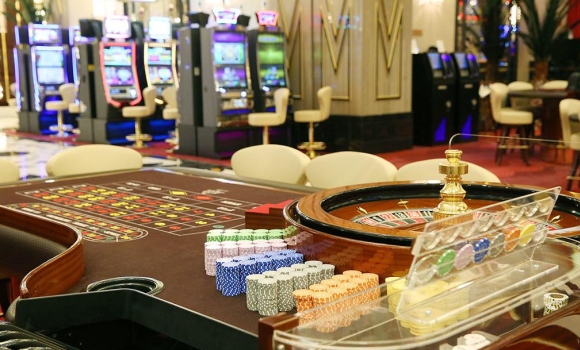
As the Industrial Revolution progressed, gambling evolved significantly. The development of commercial casinos, particularly in places like Monte Carlo and later Las Vegas, transformed the landscape of gambling. These establishments offered luxurious experiences, combining entertainment, dining, and gaming, thereby attracting affluent patrons and creating a new cultural attitude that embraced gambling as a legitimate leisure activity.
Gambling in the Digital Age
The late 20th and early 21st centuries ushered in a digital revolution that fundamentally changed the gambling industry. With the advent of the internet, online casinos emerged, offering players the opportunity to gamble from the comfort of their homes. This transition democratized access to gambling, as players no longer needed to visit physical establishments. The proliferation of mobile gaming apps further enhanced this trend, allowing users to engage in gambling activities at their fingertips.
This digital transformation also brought about increased scrutiny and regulation. Governments worldwide began to address issues related to online gambling, focusing on consumer protection and responsible gaming. While the cultural perception of gambling has become more accepting over time, concerns about addiction and social impact remain prevalent, leading to an ongoing dialogue about the future of gambling in society.

Exploring Modern Gaming Platforms
In today’s landscape, online gambling platforms like Roobet exemplify the evolution of gaming. These sites not only provide a wide variety of games but also incorporate innovative features like cashback rewards and loyalty programs. Modern users are drawn to the fast-paced environment and the ability to earn rewards based on activity, rather than traditional deposit bonuses.
Moreover, the integration of cryptocurrency as a payment method has revolutionized transactions, emphasizing speed and security. As the gambling industry continues to evolve, platforms like Roobet reflect a broader trend towards transparency and user engagement, ensuring that players remain an integral part of the gaming experience.