
Luck or skill what truly influences your gambling success
The Role of Luck in Gambling
Luck is often the first concept that comes to mind when people think about gambling. Many believe that sheer chance plays a pivotal role in determining the outcome of games, from slots to card games. For example, engaging with a non gamstop casino can make each spin of the wheel or roll of the dice feel like a gamble with fate, where random events can lead to significant wins or painful losses. This sense of unpredictability can attract players, making the experience exhilarating yet risky.
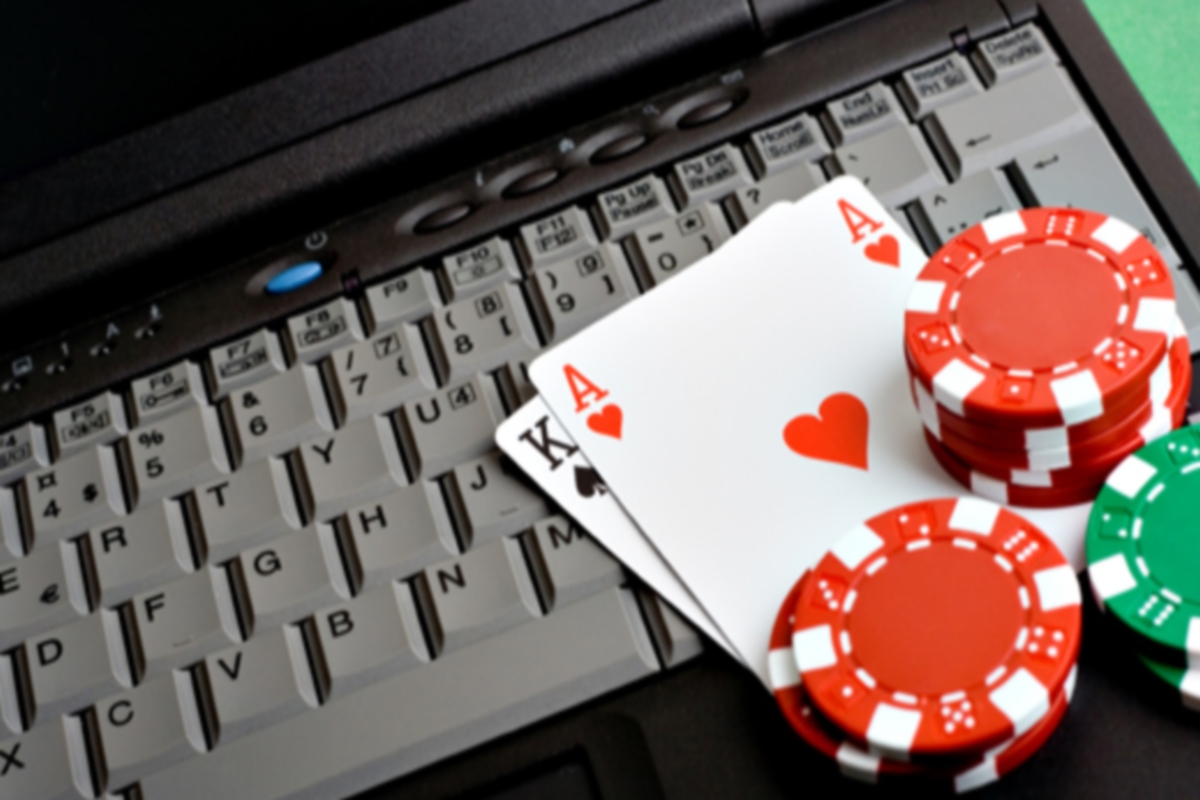
While luck is undeniably a factor, it can also create an illusion of control among players. Gamblers may believe that certain rituals or superstitions can influence their luck. This psychological aspect adds an intriguing layer to the gambling experience, as players often attribute their wins to lucky charms or specific routines, while losses may be dismissed as simply bad luck.
The Importance of Skill in Gambling
On the other hand, skill undeniably plays a crucial role in many forms of gambling. Games like poker and blackjack require a deep understanding of strategy, probability, and psychology. Players who invest time in honing their skills can significantly enhance their chances of success. Unlike games of pure chance, skill-based games allow individuals to make informed decisions that can sway the odds in their favor.
Moreover, skilled players are often adept at reading their opponents and adjusting their strategies accordingly. This analytical approach, combined with a solid grasp of game mechanics, can lead to consistent success over time, proving that skill can be just as influential as luck.
The Psychological Effects of Gambling
The psychological effects of gambling cannot be overlooked when discussing luck and skill. Gamblers experience a mix of emotions, from excitement and hope to frustration and despair. This emotional rollercoaster can influence decision-making, often leading players to chase losses or take irrational risks. Understanding these psychological factors can help gamblers make more informed choices, improving their overall gambling experience.
Additionally, the concept of ‘near misses’—situations where players almost win—can have a profound impact on future gambling behavior. This phenomenon can create an addictive cycle, as players are motivated to keep trying for that elusive win. Recognizing these psychological influences can aid gamblers in cultivating a healthier relationship with gambling.
Finding a Balance Between Luck and Skill
In the realm of gambling, finding a balance between luck and skill is essential for long-term success. While luck may provide momentary victories, skill development is key for sustainable play. Players should approach gambling with a mindset that appreciates the role of chance while actively seeking to improve their strategic abilities.
By understanding the intricacies of each game and adapting strategies accordingly, players can maximize their potential for success. Ultimately, a well-rounded approach that acknowledges both elements can lead to a more rewarding gambling experience, reducing reliance on luck alone.
Ensuring a Safe Gambling Experience
When engaging in gambling activities, security and protection are paramount. A reliable gambling platform prioritizes the safety of its users by implementing advanced security measures. This focus on safeguarding players’ information ensures a secure environment where they can enjoy games without unnecessary worries.
Transparency is also critical. Users should have access to clear information about their accounts and any issues that may arise. Effective communication channels between the platform and its users can help resolve problems quickly, making the gambling experience more user-friendly and trustworthy. Ultimately, a secure and supportive environment enhances the overall enjoyment of gambling activities.